Neurodiversity in Latine Women
If y’all grew up in a traditional Mexican-American household like I did, you know that neurodiversity was not a concept that was named, let alone understood. People in my family who showed neurodivergent traits were often labeled “especial” or even “enfermitos.” It wasn’t something we discussed openly. It carried shame and silence; sometimes even fear.
But things are shifting. Slowly, conversations about neurodivergence are entering mainstream culture and little by little, they’re making their way into immigrant communities too.
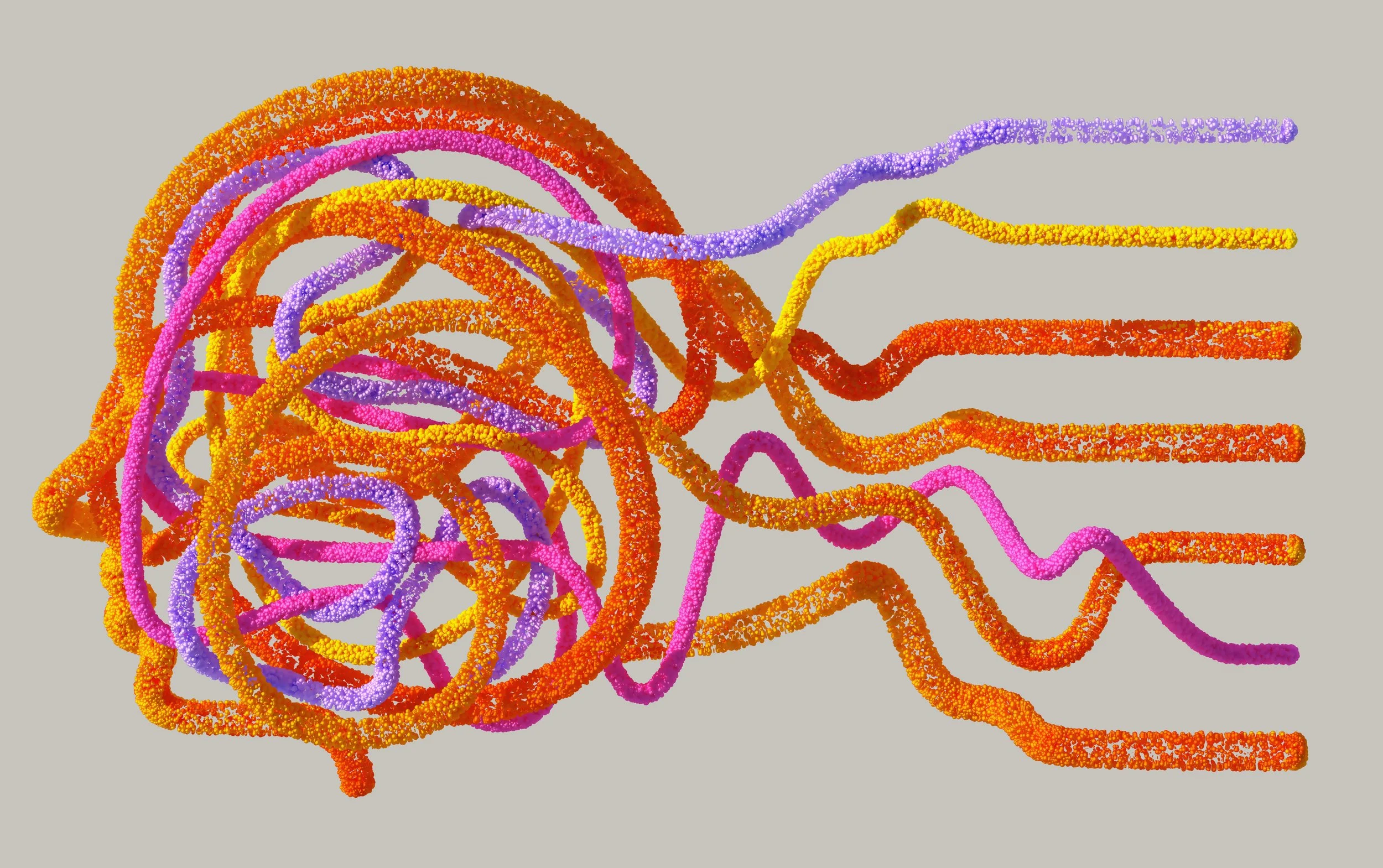
“What if your brain was never the problem, but the expectations placed on you were?”
So let’s start from the beginning.
The term neurodivergence was popularized by sociologist Judy Singer in the late 1990s. It refers to the idea that differences in how our brains function (such as ADHD, autism, dyslexia, and more) are natural variations of the human experience, not flaws.
I think that’s kind of beautiful. It challenges the idea that there is only one “right” way to be, think, or function.
Neurodivergence looks different in women and can affect more than daily functioning; it shapes self esteem, career trajectories, financial stability, and even decisions around relationships and motherhood. Women have been getting diagnosed later in life due to masking due to gender expectations or overperforming.
Our world rewards a very specific kind of brain. One that is organized. Productive. Consistent. Emotionally regulated.
Layer this onto cultural expectations in many Latine households, where women are often expected to be:
The caretaker
The planner
The emotionally intelligent one
What happens when our brain doesn’t function that way? For many Latina women, neurodivergence doesn’t get recognized. It gets masked out of necessity and survival.
It looks like overcompensating or becoming overly responsible for yourself or others. It can also look like anxiety that gets praised as “being on top of things” or burnout that gets normalized.
It can look like being called “dramatica” when you’re overstimulated or “floja” when you’re actually overwhelmed or “delicada” when your nervous system is dysregulated.
And because many of us were never given language for what we were experiencing, we learned to internalize it instead.
We tell ourselves:
“I just need to try harder. Study more. Work longer.”
“I need to be more disciplined. Wake up earlier. Sleep less.”
“What’s wrong with me?”
We start to believe that something is wrong with us. But what if nothing is “wrong” with you? What if your brain is not the problem, but the expectations placed on you were?
Neurodivergence allows us to move away from shame and start to grow in our understanding of ourselves. It invites us to learn how we actually function best, instead of trying to force ourselves to fit into systems that were never built for us.
Work With Me
What I offer:
Digital Play therapy to children 9 & up
Individual therapy sessions for adults
Hoping to start an ND support group - Stay Tuned!
Share & follow
For any inquiries, please contact:
Email: cynthia@nuevelunastherapy.com
Instagram: @Healing.con.Cynthia