The Closet We Keep Grief In
Grief, duelo. It might sound strange, but I do believe it is both a beautiful and heavy feeling. I think it reminds me of how human we are.
There is so much to say about grief. Picture the bubble maps from grade school, everything that could branch out from one word.
There’s traditional grief, the kind most of us know, the ache we feel when a loved one dies. There is disenfranchised grief, such as the early ending of a pregnancy or the loss of a pet, forms of loss society may not always recognize as real. There is anticipatory grief, for those of us who already grieve what might happen. And then there’s the grief that so many of us carry right now for what’s happening in our communities, families being separated, our people being attacked by ICE. There’s also grief in leaving one’s roots in search of a better life. I recently learned this is called migratory grief, the loss we rarely talk about when we leave home and have to adapt and acclimate to somewhere new.
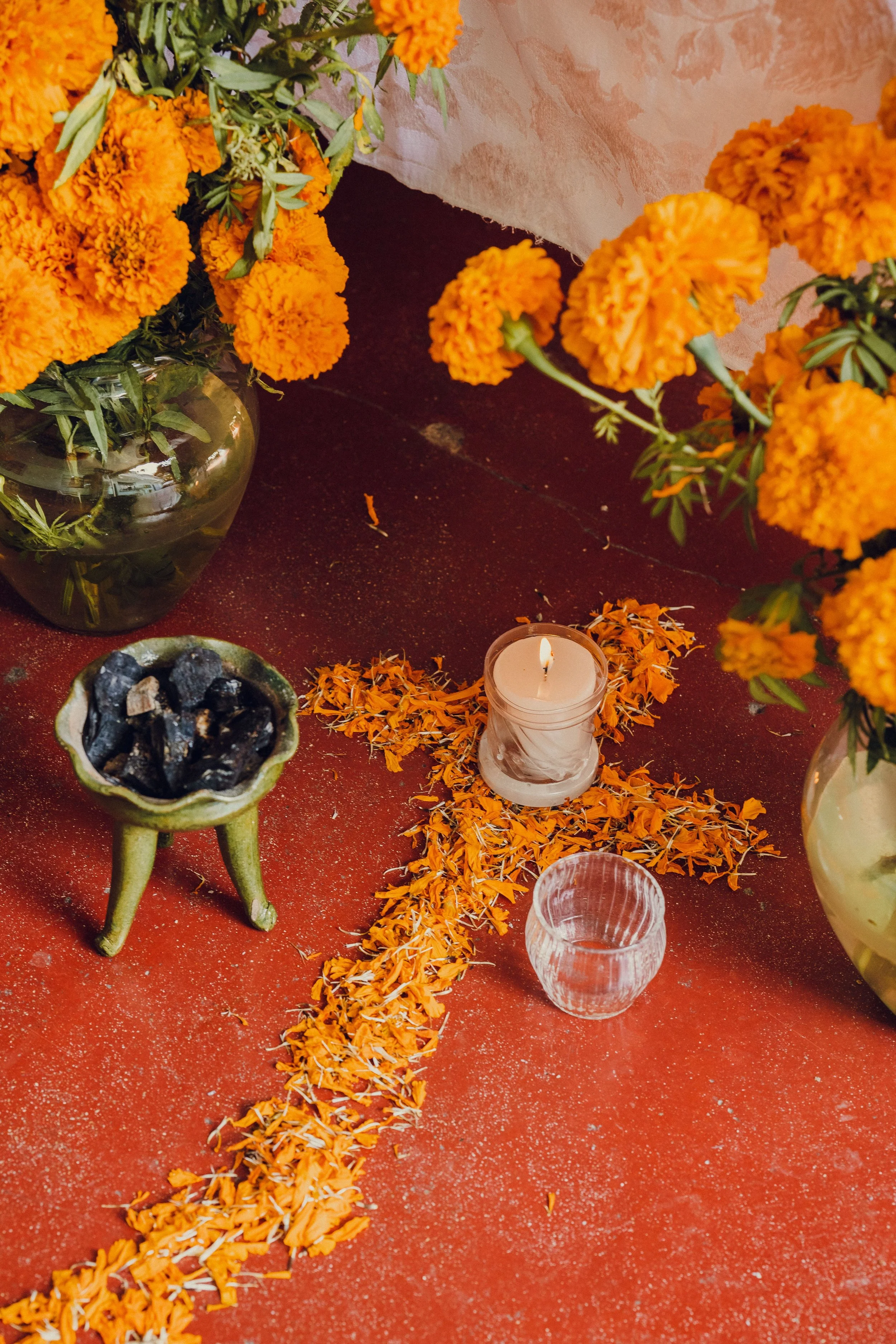
With so many forms of grief, I keep coming back to the same question: why is it such a taboo subject? Is it because it is difficult? Or maybe because this society compels us to move past something so deep and emotional before we’ve even had room to feel it? I grew up in a Mexican household where I always heard, “un dia todos nos vamos a morir”, or “nadie es eterno en el mundo”. I also grew up honoring our departed ancestors with altars. What I find curious is that even though we carry these traditions, whether religious or ancestral, it’s easy for family to say these things out loud, yet when the moment actually arrives, it becomes difficult to talk about, and no one quite knows how to navigate it. It’s almost like the emotional piece of grief gets put away in the closet, while all the nice, visible parts, the ofrenda and all the rest, get to stay out. But grief isn't meant to be pretty or easy to digest. It's hard. It hurts!
The truth became real for me the first time I encountered grief personally, when my dad’s mom passed and I was in my mid-teens. That sadness, mixed with every other emotion filling our home, is something I will never forget. I recall family members filling our living room one by one. The novenario followed, a tradition of holding prayer for the deceased over the course of 9 days. I remember my dad trying to keep it together in front of family, yet I could feel his overwhelming need to cry. I remember people saying “it's okay, she is at peace now”, or "don't cry, you’re not letting her rest”, something I’ve heard too often in my family and cultura. Almost like others were uncomfortable with the grief being experienced. Once again, grief is put in the closet. But the thing is, we can't rush grief or put it away; it’s meant to be seen and expressed. In that sacred grief, we acknowledge that we can feel and honor the immense love for our parted loved ones.
That need to rush past grief is something I watched play out for my father. Over the years, I watched him grow quieter, watched him withdraw in ways that looked a lot like depression, though I don’t think he would have named it that himself. It just wasn’t talked about. I think it was difficult for him to acknowledge, let alone say aloud, that he was sad, hurt, broken. It was easier to name a physical ailment than to name the emotions underneath it.
Watching him taught me that grief is not linear, and it looks different in every person. It can feel like grief should have a beginning and end, especially because of the society we live in. A society that keeps us moving instead of letting us honor and sit with our deepest emotions.
I know it may sound strange to speak about grief in a loving way, but again, it reminds me of how human we are, and how much capacity we have to hold love for a person, place, or thing we no longer have. I think back to the altars, the cempasuchil, the photos we set out each year, and it reminds me that they are not placed to mourn them again but more so to welcome them back. This ritual taught me that death carries beginnings within it too, that one must end for the other to begin. It’s ancestral proof that the bond does not end when someone dies; it just changes shape. Maybe that’s part of what helps me honor and hold grief the way I do. It’s become my own way of coping with grief.
As a therapist, it is a profound honor to witness and hold space for someone as they speak about and understand their grief. It’s a privilege to sit with people in that same closet we’re taught to keep closed, and to remind them that what they're feeling doesn’t need to be tidy or explained away to be valid. That, to me, is some of the most sacred work I get to do.
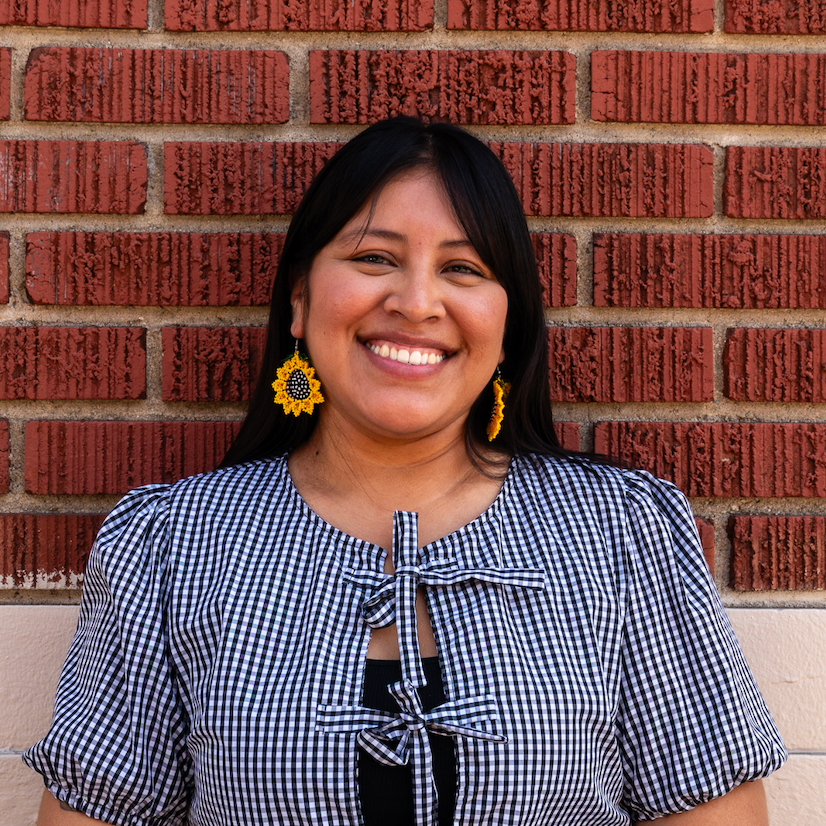
Vianey Valdez, ASW
NOW ACCEPTING CLIENTS!