
How Ongoing Violence and Oppression Impact Maternal Mental Health
Pregnancy and the postpartum period are some of the most vulnerable periods for a mother, mentally and physically. For people impacted by ongoing violence, systemic oppression, and living under threat, this season can also be marked by fear, grief, dread, and helplessness.
Maternal mental health is shaped not only by hormones, disruption in sleep patterns, and the physical demands of pregnancy and birth, but also by the social, political, and environmental realities surrounding a mother and her family.
Living in a Constant State of Threat
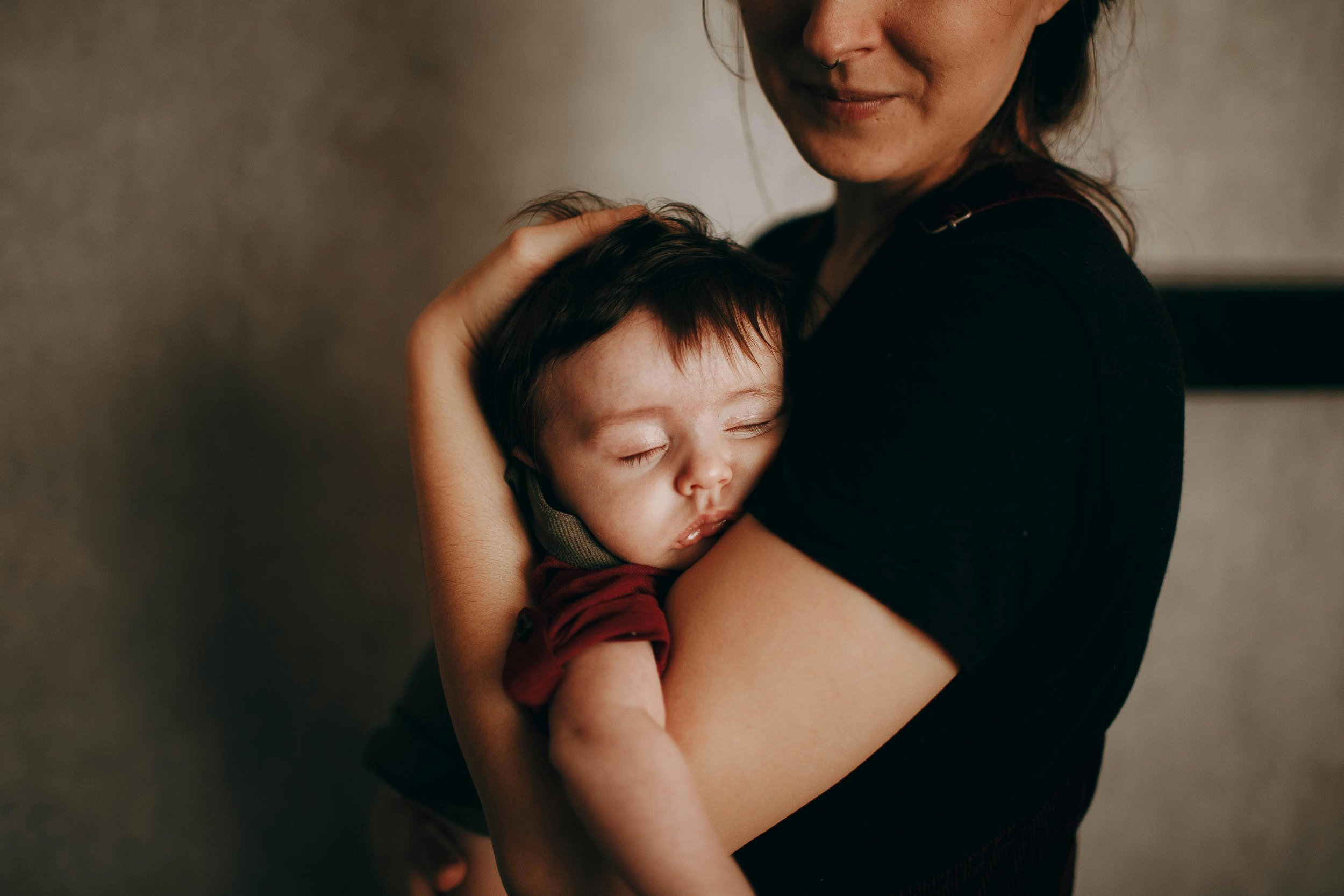
When the persecuted experience living in fear, whether through federal crimes, hate crimes, immigration raids, neighborhood violence, or media coverage of children and families being harmed, pregnant and postpartum mothers often live in a heightened state of vigilance.
This chronic stress response can look like:
Persistent anxiety about personal and family safety
Difficulty relaxing or feeling present during pregnancy or early parenting
Sleep disturbances beyond typical postpartum exhaustion
Intrusive thoughts about harm coming to their child
For expecting mothers, the question “Will my baby be safe?” extends far beyond the delivery room.
The Impact of Crimes Against Children
News of violence against children, especially when those children share racial, cultural, or community identities with one’s own family, can be profoundly destabilizing for parents. For mothers, these events often live in the body and spirit.
During pregnancy and postpartum, this can manifest as:
Increased prenatal or postpartum anxiety
Hypervigilance around caregiving decisions
Avoidance of public spaces or community engagement
Feelings of helplessness, rage, or despair
They are nervous system responses to real and repeated threats.
See, historically speaking, our nervous system has endured many versions of this across generations: persecution, oppression by the oppressor, and the violation of our rights. So witnessing only makes these implicit memories light up in our DNA.
Oppression as a Maternal Mental Health Stressor
Systemic oppression, racism, xenophobia, poverty, lack of access to quality healthcare, and reproductive injustice add another layer of emotional labor to motherhood.
Many mothers from marginalized communities are simultaneously:
Navigating pregnancy or postpartum recovery
Advocating for attentive, respectful, and culturally responsive healthcare
Carrying generational trauma
Preparing their children for a world that may not treat them fairly
Talk about being a warrior!
But we are also tired. This cumulative burden significantly increases the risk for perinatal mood and anxiety disorders, including depression, anxiety, and trauma-related symptoms.
When Grief and Joy Coexist
One of the most complicated parts of maternal mental health in the context of violence and oppression is the coexistence of love and grief.
A mother can deeply love her child and feel immense joy, while also mourning the world her child is being born into.
The pressure given to a mother to remain “positive” during pregnancy or postpartum is harmful.
Supporting Maternal Mental Health in Times of Collective Trauma
Supporting mothers during these times requires more than individual coping strategies, It requires compassion, community, and systemic change. Some protective supports include:
Trauma-informed and culturally affirming mental health care
Community spaces where mothers can process collective grief
Nervous system regulation techniques
Naming oppression and violence instead of minimizing their impact
Most importantly, mothers deserve to feel safe rather than feel that we have to continue exerting our individual care to speak against the collective.
A Final Reflection
Maternal mental health is deeply connected to the safety and dignity of our communities. Caring for mothers means caring about the world in which they are raising children.
References:
Grundström, H., Malmquist, A., Thorsell, M., & Nieminen, K. (2025). Associations between history of trauma and postnatal mental health problems – a cross-sectional study. Journal of Obstetrics and Gynaecology, 45(1). https://doi.org/10.1080/01443615.2025.2553197
