
Book Report: Drama Free by Nedra Glover Tawwab
Drama Free by Nedra Glover Tawwab is a powerful book that explores unhealthy family dynamics and offers practical tools for setting boundaries, healing generational patterns, and improving communication. As a therapist who supports individuals navigating complex family relationships, especially in the Latine culture, I found this book both relatable to real-life situations. This review highlights what I appreciated most about the book, especially the case examples and the accessible language Tawwab provides for managing family dynamics.
Overview of Drama Free
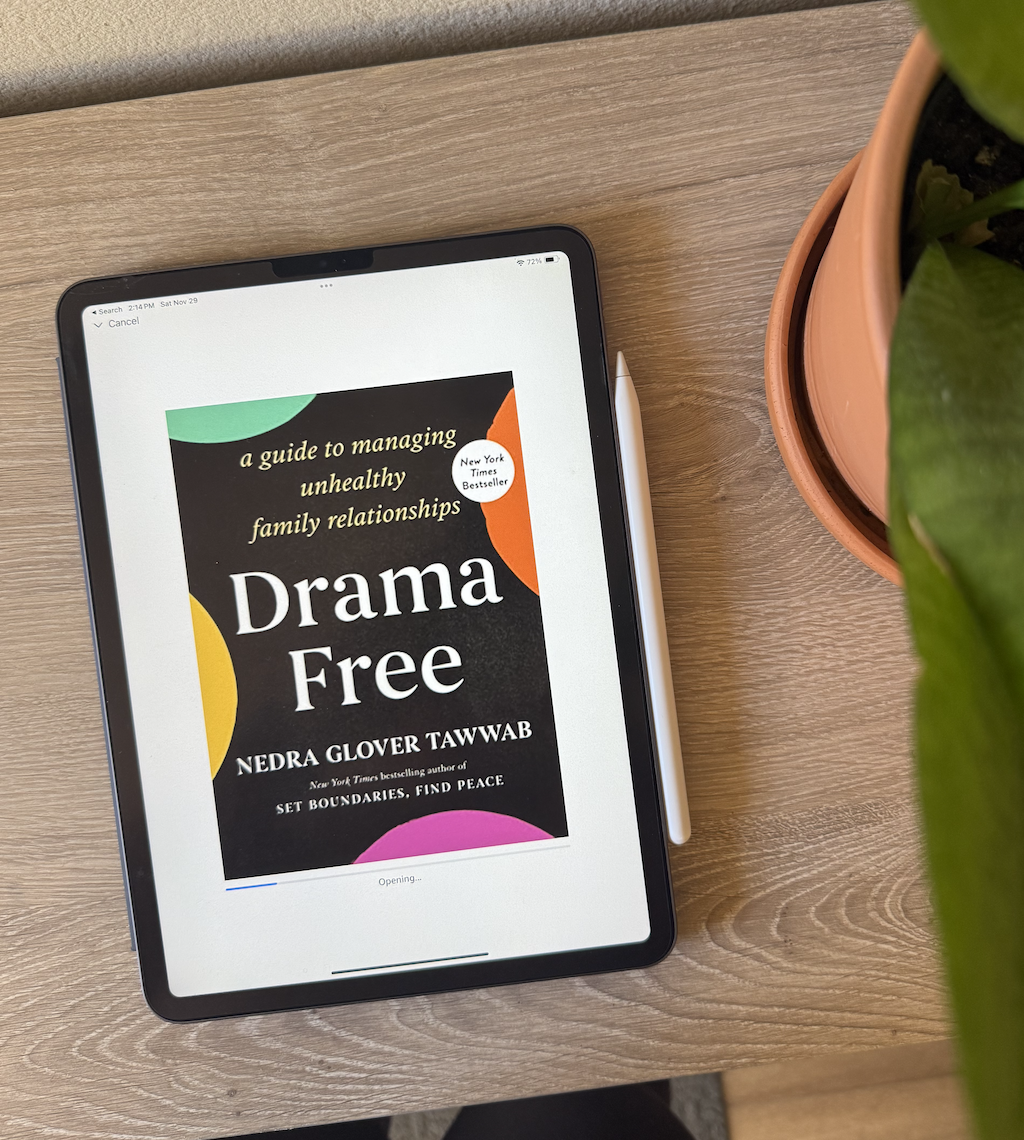
In Drama Free, Tawwab breaks down common patterns found in dysfunctional families, including enmeshment, guilt, parentification, communication issues, and lack of boundaries. The book provides readers with a clear understanding of how these patterns form and how they are passed down through generations; in Latine culture, we refer to this as familismo: the notion that family is above all else, no matter what. Tawwab uses her experience as a licensed therapist to guide readers in recognizing their roles in their families and in creating healthier relationships.
This book is especially helpful for people searching for terms like:
family dynamics,
how to set boundaries with family,
healing toxic family patterns,
improving communication with parents,
breaking cycles of dysfunction, and
how to deal with difficult family members.
Case Examples
One of the strongest features of Drama Free is the rich collection of case examples. Tawwab includes realistic scenarios that mirror the issues many people face, such as feeling responsible for family members, struggling with guilt, navigating unequal caregiving roles, or dealing with family members who dismiss boundaries; sound familiar?
These case examples make the book incredibly relatable and help readers visualize how boundary issues show up in everyday life. They also make the content more accessible for people searching for real-life examples of family boundaries, family conflict case studies, or examples of unhealthy family behavior.
As a clinician, I appreciated how the stories seamlessly connected theory to practice. They provided insight not only for personal reflection but also for supporting clients processing their own family histories.
Tawwab’s Communication Scripts
Another reason Drama Free is such a powerful resource is the practical language and scripts offered throughout the book. Tawwab provides clear, compassionate phrases readers can use when navigating difficult conversations with family members. These scripts are helpful for anyone searching online for what to say to set boundaries, scripts for family conflict, or healthy communication examples.
Some examples include:
“I’m not available to discuss that topic right now.”
“I love you, and I need space before we continue this conversation.”
“I’m choosing not to take on that responsibility anymore.”
These phrases help readers learn how to communicate with confidence while still honoring cultural or familial expectations. I found the language accessible, respectful, and empowering; tools I can easily use with clients who struggle with guilt or fear of disappointing family.
Personal Reflection and Takeaways
Reading Drama Free reinforced how boundary-setting is a healthy and necessary part of breaking generational cycles. Tawwab’s guidance makes it easier for individuals to understand their emotional patterns and learn new ways to communicate that promote stability and peace.
This book is an excellent resource for:
individuals healing from dysfunctional family dynamics,
adult children of emotionally immature parents,
first-generation individuals navigating cultural expectations,
therapists looking for practical tools, and
anyone wanting to create healthier relationships.
Tawwab’s combination of relatable examples, research-backed insight, and ready-to-use language makes Drama Free one of the best books available today for people looking to improve family relationships, set boundaries, and heal generational trauma.
De Aquí y De Allá,
Elsa Matsumoto, LCSW, PMH-C
